Bangkok city trip: 3 days of temples and street life
Bangkok city trip: when to go, where to stay, what to see and eat, with a 3-day itinerary to discover the Thai capital.
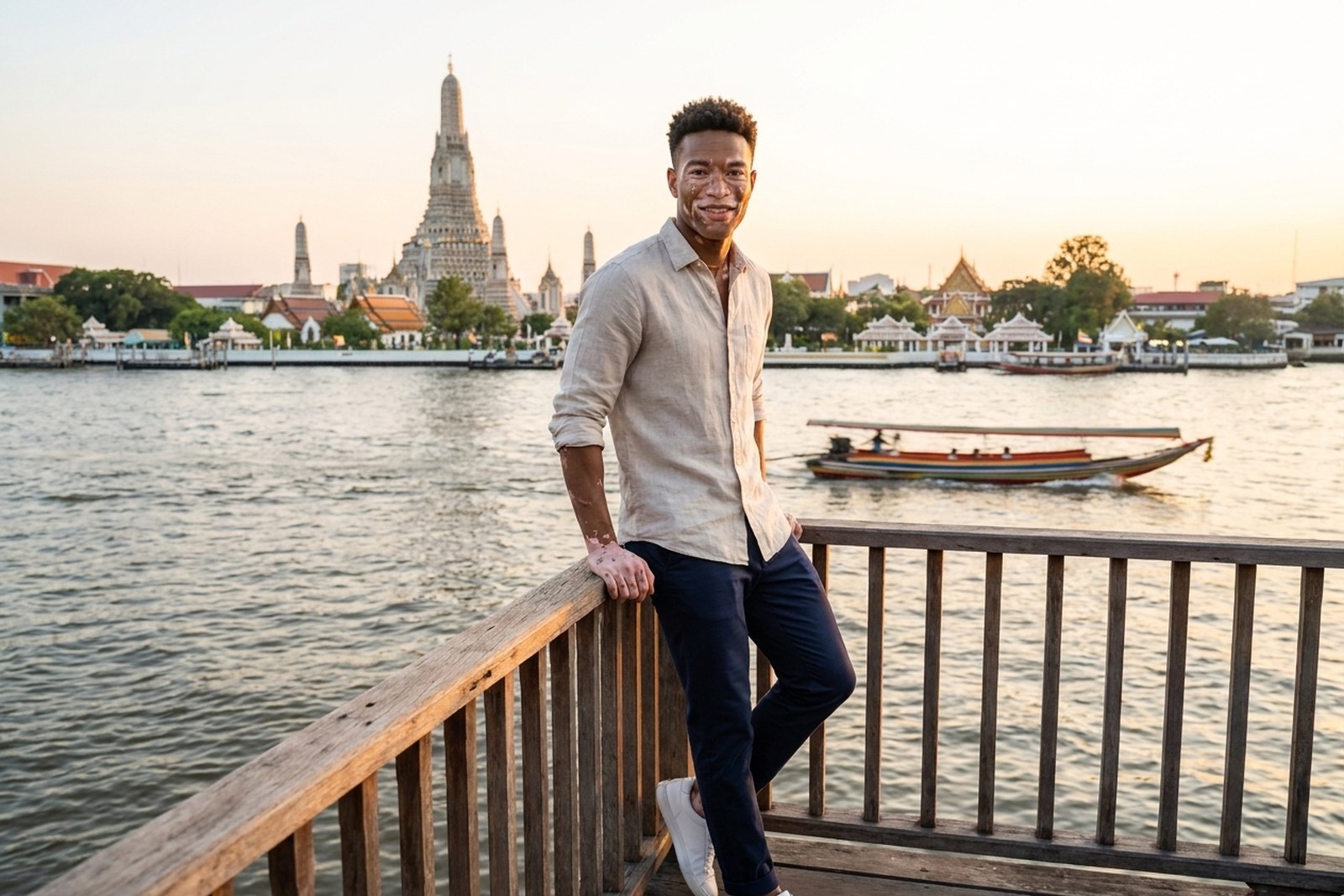
The first thing I remember about Bangkok is the wall of heat as I stepped out of the airport, then the sudden coolness of the taxi and the motorway lights streaming past. An hour later, I was putting my suitcase down in a hotel on the Chao Phraya river, my shirt already a little crumpled, my mind on alert. Outside, the scooters, the smell of grilled basil and the murmur of the boats told me straight away that this city can’t be discovered halfway.
Bangkok lends itself beautifully to a city trip. Three or four days are enough to alternate between golden temples, markets, street food and evenings up high, as long as you choose your neighbourhood and your pace wisely. Here is my notebook, with the places I would go back to, the mistakes to avoid and a simple itinerary to enjoy the Thai capital without rushing.
Why go to Bangkok for a city trip
Bangkok is a city of contrasts that is a pleasure to explore in just a few days. In a single morning you go from a temple covered in gilding to a canal lined with wooden houses, then to an air-conditioned shopping centre where glass towers dominate the skyline. That density is a big part of its charm: nothing is ever very far away, and every neighbourhood has its own personality.
The city is also an ideal destination if you love food. Thai cuisine is lived on the street, perched on a plastic stool, just as much as in a more refined restaurant, and the pleasure is the same. Finally, the welcome is genuinely warm, which makes arriving gentler, even after a long flight.
For a first trip to South-East Asia, Bangkok is a very comfortable gateway. Transport is easy to understand, accommodation is varied and you can easily extend your stay with a few days on the beach or in the countryside.
When to go to Bangkok
The most pleasant period generally runs from November to February. Temperatures stay warm, but the air is a little drier and days of sightseeing are far more bearable. It is also the busiest season, so it is best to book your accommodation in advance.
From March to May, the heat becomes heavy, sometimes stifling in the middle of the day. The trip is still possible if you adapt your plans: temples early in the morning, a break in an air-conditioned café in the afternoon, a stroll in the evening. The rainy season, from roughly June to October, brings showers that are often short but intense, with generally lower prices and fewer crowds.
Whatever the season, slip a small umbrella or a lightweight rain jacket into your bag. A downpour can appear without warning, and the streets quickly turn into streams.
Where to stay in Bangkok: the best neighbourhoods
The choice of neighbourhood changes everything, as traffic can be slow. My advice is to sleep close to the BTS Skytrain, the MRT metro or a river pier.
- Riverside: along the Chao Phraya, this is my favourite area for its atmosphere. The big hotels offer superb views, and the shuttle boats make it easy to reach the temples.
- Silom and Sathorn: a business district that is lively during the day, with good restaurants, rooftop bars and convenient access to transport.
- Sukhumvit: very lively and well served by the BTS, with a wide choice of hotels, cafés and restaurants.
- Rattanakosin and the Old Town: ideal for being close to the Grand Palace and Wat Pho, with simpler guesthouses and a more old-fashioned style.
For a first stay, I recommend Riverside or Silom, which offer a good balance of comfort, relative calm and ease of getting around.
The must-sees in Bangkok
Start with the Grand Palace and Wat Phra Kaew, home to the famous Emerald Buddha. Wear clothes that cover your shoulders and knees, and go in the morning to avoid the crowds and the heat. Next door, Wat Pho and its huge Reclining Buddha are well worth the visit, as is the calm of its inner courtyards.
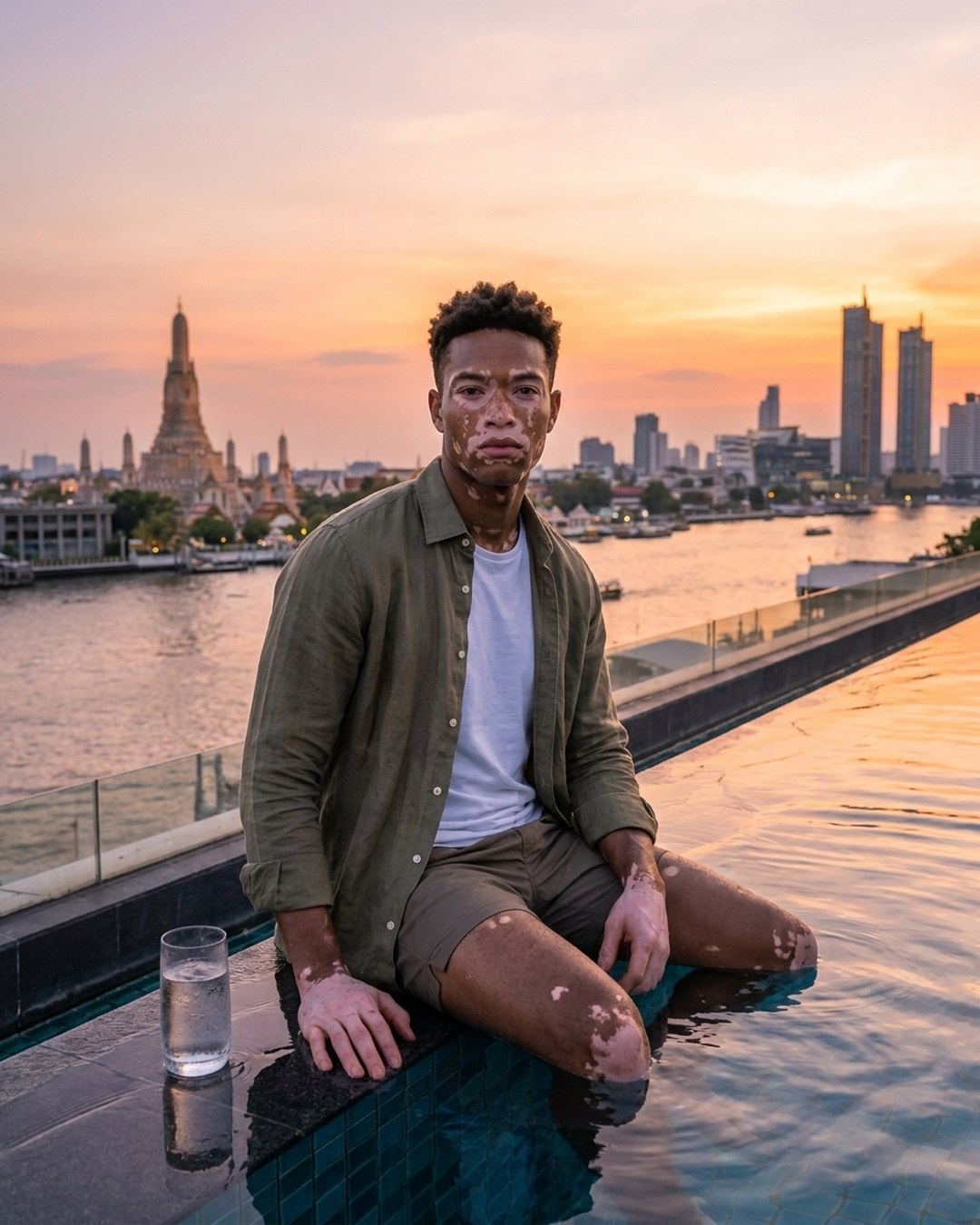
On the other side of the river, Wat Arun is best seen at the end of the day, when the light brings out its ornate towers. Crossing by little boat is part of the pleasure. Further north, the Jim Thompson House gives a sense of the Thai art of living, with its teak architecture and tropical garden.
For a change of atmosphere, stop by Lumphini Park, the city’s green lung, or head up to the SkyWalk at Mahanakhon Tower for a full view of the metropolis. If your stay falls on a weekend, Chatuchak Market is a vast hunting ground for souvenirs, clothes and small finds.
Where to eat and what to try in Bangkok
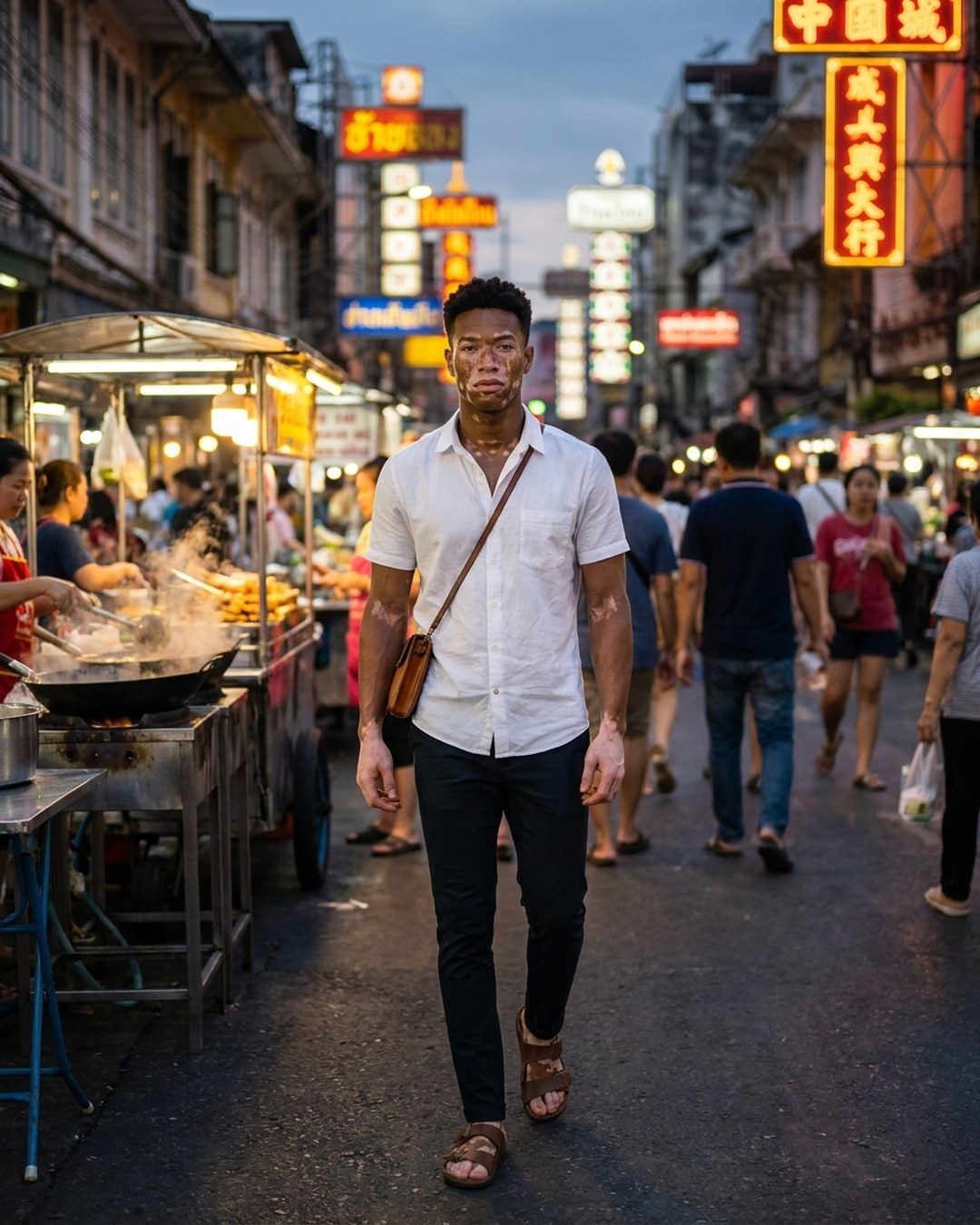
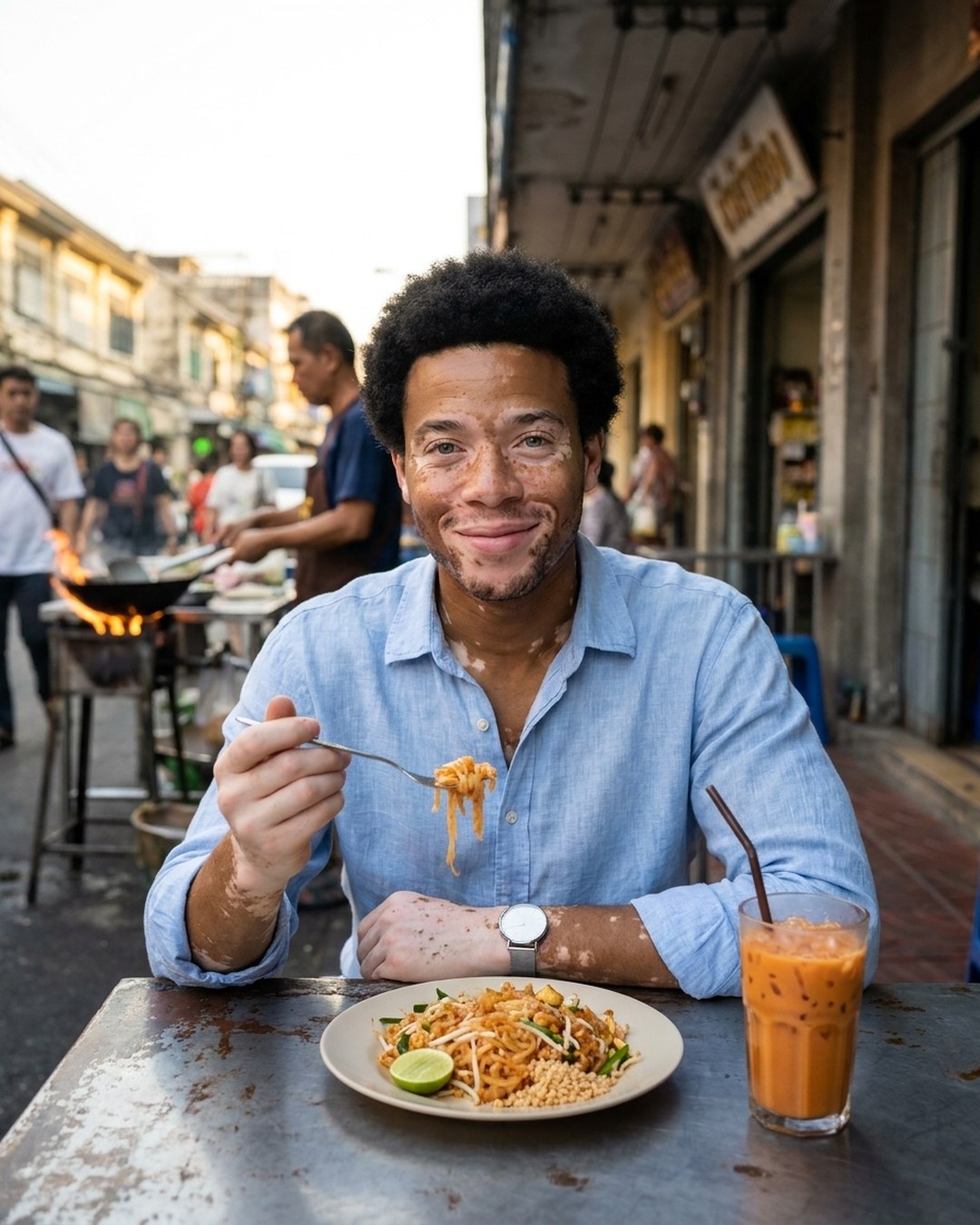
The best meal of your trip may well be served on a pavement. Chinatown, around Yaowarat Road, is the perfect evening playground: grilled seafood, noodles, dim sum, iced desserts. Wander without a fixed plan, watch the queues, and follow the locals.
Among the dishes to try: pad thai of course, but also tom yum, the tangy, fragrant soup; som tam, the papaya salad; moo ping, grilled pork skewers; and the so-called “boat noodles”. For dessert, mango sticky rice remains a classic that I order almost every day. A place like Thip Samai, famous for its pad thai, or the street cooking of Jay Fai, known for its crab omelette, is worth the detour if you don’t mind a bit of a wait.
If you are sensitive to chilli, say “mai phet” to ask for a mild dish. Drink bottled water, choose stalls that are busy with a good turnover, and always keep a little change in your pocket.
Practical tips and a 3-day itinerary
To get around, combine the BTS, the MRT, the shuttle boats on the Chao Phraya and taxis when traffic allows. Use a ride-hailing app or insist on the meter to avoid misunderstandings. Pack light, breathable clothes, as well as shoes that are easy to slip off when entering temples. Travel insurance and a bank card with no foreign transaction fees are always useful.
Here is the itinerary I suggest for three days:
- Day 1: the Old Town. Grand Palace and Wat Phra Kaew in the morning, then Wat Pho, a boat crossing to Wat Arun for sunset, and dinner by the river.
- Day 2: the modern city. Jim Thompson House, Lumphini Park, a break in a shopping centre during the hottest hours, then a drink at a rooftop bar in Silom or Sathorn.
- Day 3: markets and flavours. Chatuchak Market if it’s the weekend, otherwise a cooking class or a canal ride, then a food-filled evening in Chinatown.
Always leave a little slack in your schedule. In Bangkok, the loveliest moments often come from a side street taken at random.
Frequently asked questions
How many days do you need to visit Bangkok?
Three days are enough for a first city trip and to see the main temples, a market and a few neighbourhoods. With four or five days, you can slow the pace and add excursions, such as the canals or a floating market.
What is the best area to stay in Bangkok?
For a first stay, Riverside and Silom are excellent choices, as they combine comfort, restaurants and good access to transport. Sukhumvit also works if you prefer a livelier atmosphere and a wide choice of hotels.
Do you need a visa to travel to Bangkok?
Entry rules for Thailand change regularly and depend on your nationality and the length of your stay. Check the conditions on the official website of the authorities or your foreign ministry before booking. Also check that your passport is valid.
How do you get around Bangkok easily?
The BTS and the MRT are the fastest ways to avoid traffic jams. The shuttle boat on the Chao Phraya is handy for reaching the temples of the Old Town, and taxis or ride-hailing apps round things off nicely late in the evening.
Ready to go to Bangkok?
Ready to unpack your bags in Bangkok? Book your stay now through Lastminute and enjoy the city with a light heart.
This article contains affiliate links: if you book, I may earn a commission at no extra cost to you. Learn more.